
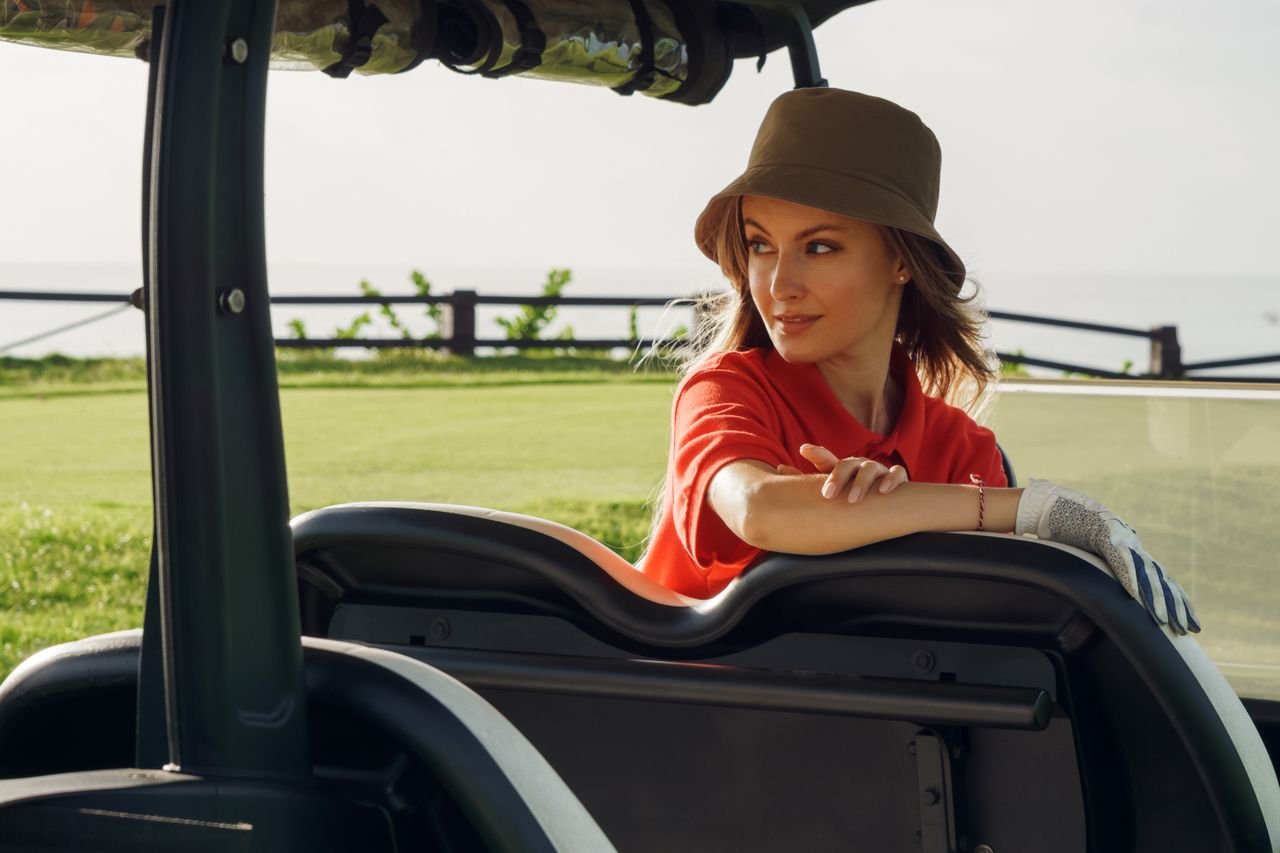
From Tee Time to the 19th Hole: Social Golf Events for Beginner Women
For many women, starting golf involves more than learning how to grip a club or make a consistent swing. The course has its own pace, etiquette, terminology, and social customs, which can make the first event feel unfamiliar. Beginner-focused social golf creates a more comfortable entry point by combining practical instruction, relaxed play, and opportunities to meet women at a similar stage.
The right event format can make a major difference. Introductory clinics help new players understand grip, posture, putting, chipping, and basic swing movement before stepping onto the course. Nine-hole and twilight events offer a manageable introduction to real play without the physical and mental demands of eighteen holes. Scramble formats are especially suitable for beginners because each group continues from its best shot, reducing individual pressure and helping the round move at a steady pace.
Before attending, it is useful to confirm the event format, dress code, equipment requirements, and level of instruction. Some events provide rental clubs, while others expect players to bring their own. Arriving early allows time to find the registration area, warm up, meet the group, and ask questions before play begins. Being open about your experience level also helps organizers place you with suitable partners.
On the course, etiquette matters more than perfect technique. Beginners should remain quiet and still while another player is preparing to swing, stay aware of where others are standing, and begin preparing for their own shot while the group moves forward. There is no need to rush, but limiting unnecessary practice swings and picking up the ball when a hole is taking too long helps maintain a comfortable pace.
Conversation usually develops naturally between shots. The walk down the fairway is an ideal time to introduce yourself, ask how someone started playing, or discuss the course. During another player’s setup and swing, however, conversation should pause. It is also best to avoid offering technical advice unless someone asks for it, since too many swing suggestions can quickly become distracting.
What you wear can influence how comfortable and confident you feel. Golf clothing should allow easy rotation through the shoulders and hips, remain comfortable while walking, and provide suitable coverage when bending or entering a cart. Breathable tops, flexible skorts, and lightweight layers are practical choices for changing conditions. The most useful outfit is one that supports movement without requiring constant adjustment.
Beginners do not need to invest in a complete collection of advanced equipment. A basic set of clubs, several golf balls, tees, a ball marker, sunscreen, water, and comfortable shoes are usually enough for an introductory event. Losing balls and making inconsistent contact are normal parts of learning, not signs that someone does not belong on the course.
The social gathering after play is often just as valuable as the round itself. The 19th hole gives beginners time to ask questions, reflect on the experience, and learn about future clinics, leagues, and informal tee times. It is also where many players meet future practice partners and begin to feel part of the golf community.
A successful first event should not be judged only by the scorecard. Better measures include feeling less nervous on the tee, understanding when to play, making cleaner contact, completing a few holes comfortably, and wanting to return. With the right format and atmosphere, social golf can turn an unfamiliar sport into a welcoming way to learn, connect, and build lasting confidence.